Powered By


After 2 1/2 weeks on Atorvastatin, had symptoms of severe fatigue, numb fingers, mild nausea. After stopping statin, returned to feeling normal. After 8 days, took 1 Atorvastatin and again had fatigue, nausea, brain fog, very dark urine. Liver enzymes all elevated. Additional testing revealed very high AMA and elevated smooth muscle antibodies. But, bilirubin is normal. Gastrointestinal doc diagnosed PBC. So,has anyone else had this stain induced PBC?

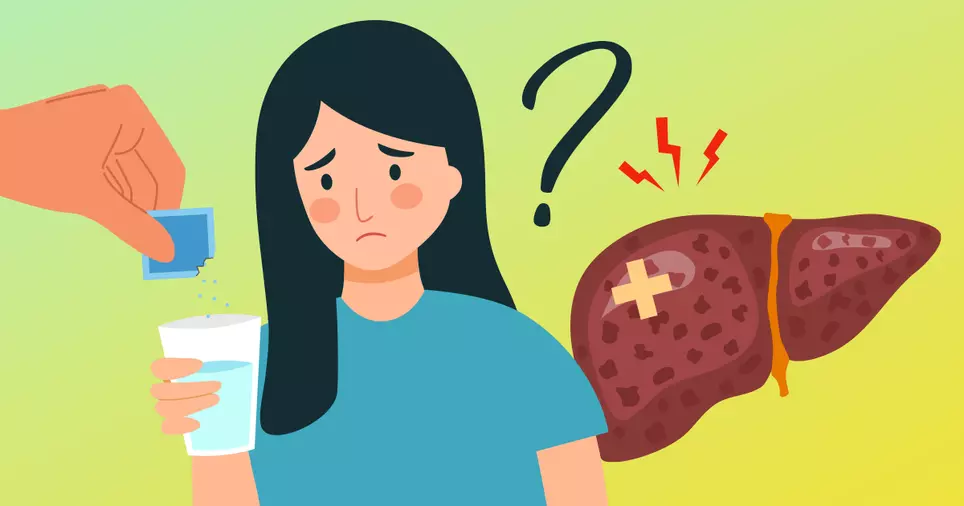
Can atorvastatin cause PBC to develop?
It's understandable to wonder if the statin triggered PBC, especially given the timing. However, statins don't cause PBC to develop. PBC is an autoimmune disease where the immune system mistakenly attacks the bile ducts in the liver. This process happens due to a combination of Show Full Answer
try to find an article mentioned in the last 5 years with those two terms:
https://pubmed.ncbi.nlm.nih.gov/


 Continue with Facebook
Continue with Email
Continue with Facebook
Continue with Email

 Join
Join







 Your Privacy Choices