How can you manage itching with PBC?
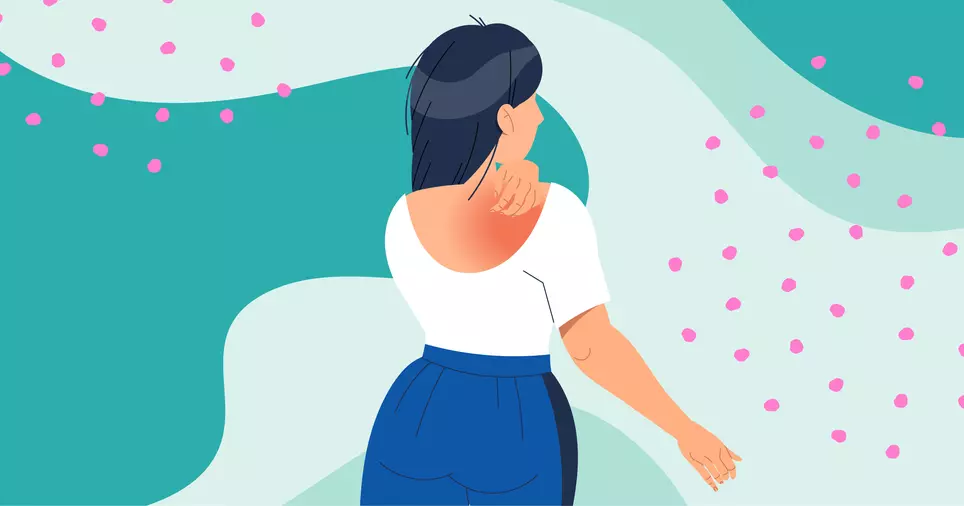
Itching is one of the most common symptoms of PBC, affecting about 73-81% of people with the condition. It happens when bile acids build up in your body and reach the skin, triggering nerve endings that send itch signals to your brain.
The itching can be deep, painful, and exhausting. As Show Full Answer
How can you manage itching with PBC?
Itching is one of the most common symptoms of PBC, affecting about 73-81% of people with the condition. It happens when bile acids build up in your body and reach the skin, triggering nerve endings that send itch signals to your brain.
The itching can be deep, painful, and exhausting. As one myPBCteam member shared, "Itching all over with no relief." It often worsens at night and can interfere with sleep and daily life.
Here are treatment options that may help:
First-line treatment:
* Cholestyramine - A bile acid binder that removes bile acids through stool. It's often the first choice and may take a few days to work. If you're taking ursodiol, space these medications 1-4 hours apart.
Other medication options:
* Antihistamines - May help you sleep through the discomfort, though they don't stop PBC-related itch directly
* Rifampin - A second-line therapy that reduces itch signals to the brain
* Naltrexone - Blocks natural opioids that may contribute to itching
* Sertraline - An antidepressant that has shown promise in small studies
Self-care tips:
* Use cool or lukewarm water when bathing
* Choose gentle, fragrance-free soaps and moisturizers
* Wear loose clothing
* Apply cool, wet cloths to itchy areas
Talk with your doctor about which approach might work best for you, as everyone responds differently to treatments.
March 6







 Join




 Your Privacy Choices