
Powered By



 Continue with Facebook
Continue with Email
Continue with Facebook
Continue with Email
Living with primary biliary cholangitis (PBC) — previously known as primary biliary cirrhosis — often means dealing with flare-ups. Even if you find an effective treatment, PBC symptoms can flare occasionally. It’s easy to feel frustrated or disconcerted when that happens, but you can take several steps to help yourself feel better.
Talking with a healthcare provider about your symptoms is one of the best ways to better prevent and manage them. Here’s what you need to know about PBC flare-up symptoms and how to manage them.
In PBC, as with many other autoimmune diseases, symptoms may come and go. Symptoms may be around for a while and then leave, and they may not come back for some time (called remission). Periods when symptoms do return or get worse are called flare-ups or flares. Although research is still in the early stages, it seems that many autoimmune diseases flare up when specific immune system mechanisms get activated or triggered. Possible triggers include:
When PBC flares up, your symptoms will get worse for a while. It’s important to be aware of all the common symptoms of PBC. That way, you have a good chance of recognizing a flare-up early even if you experience different symptoms than before.
Researchers aren’t entirely sure what causes PBC or brings on flares. They believe a combination of environmental and genetic factors influences the condition’s development.
Researchers have linked PBC with immune system changes, which may influence flares. People with PBC have lower numbers of immune cells called T cells. Their T cells also work differently from those of people without PBC. It’s possible that these changes influence PBC symptoms, but more research is needed to understand this connection.
In PBC, the immune system mistakenly attacks the body’s own cells — specifically the small bile ducts in the liver — instead of targeting foreign invaders like bacteria or viruses. Researchers believe this immune system activity could also play a role in PBC symptom flares, but the evidence isn’t clear.
Although the causes of primary biliary cholangitis and its flares aren’t clear, researchers have a better understanding of its symptoms. Here are some of the most common PBC symptoms that occur during a flare-up.
Itchy skin (medically known as pruritus) is common in people with PBC. A 2023 study indicated that 81 percent of 170 participants with PBC experienced itching at some point, although a 2018 study of more than 1,600 people with PBC put that number at 73.5 percent.
On myPBCteam, several people have reported itching when they have a flare-up. They’ve also noted that their itching gets better when the flare goes away. One member said, “Woke up not feeling as itchy today after an almost two-week flare-up. That’s a slight win!”

Fatigue is another common symptom of PBC. A 2022 study reported that 50 percent of people living with PBC experience fatigue, and 20 percent have severe fatigue that negatively affects their quality of life. “The fatigue is a struggle,” one member of myPBCteam said.
Fatigue is such a common experience that another shared, “Had a good day, just the usual fatigue.”
If you have severe PBC, you may develop jaundice — yellowing of the skin and the white parts of the eyes. This happens when liver damage becomes advanced enough that the liver can’t function properly. Jaundice occurs in at least 25 percent of people with PBC, according to the World Journal of Gastroenterology. One myPBCteam member described their flare: “[My] eyes were yellow, and I had nausea for a week.”
Between 47 percent and 73 percent of people with PBC experience dry eyes or dry mouth, symptoms that are often caused by Sjögren’s disease. Study findings describe a wide range of prevalence (commonness) — from 3.5 percent to 73 percent — of Sjögren’s in people who have PBC. The conditions can flare at the same time, so symptoms of Sjögren’s may happen alongside those of PBC.
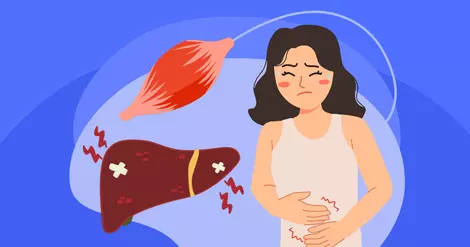
A PBC flare may also start with pain and swelling in the abdomen or elsewhere. PBC can cause pain in the liver and the spleen, which are both in the abdomen. Gallbladder problems like gallstones and stones in the bile ducts may also occur and can be painful.
You may experience swelling and pain elsewhere. Your bones, joints, or muscles may hurt, and you may develop edema (swelling in the feet and ankles). Whether pain and swelling are related depends on their cause, but these symptoms often occur together. As one myPBCteam member said, “I am having some kind of flare-up with swollen and sore knees and heavy legs.”
You can take several approaches to help manage PBC symptoms when they flare.
Making some changes to your diet may help you feel better when you’re having symptoms of a PBC flare. Avoiding added sodium (salt), raw shellfish, and alcohol may help prevent worsening symptoms and other PBC-related problems.
Members of myPBCteam have discussed dietary habits to help manage symptoms. “I’m eating pickled things, but I have to be careful of salt,” one said.
Another mentioned, “I don’t drink alcohol. I was never a big drinker, but I do miss it on occasion.”
According to Mayo Clinic, environmental factors like smoking cigarettes are potential triggers for PBC. Your doctor may recommend that you not smoke if you have PBC. If you currently smoke and want to quit, talk with a healthcare provider about your options.
If you think you have an infection of any sort, check with your healthcare provider right away. They’ll assess your symptoms and suggest treatment. Infections can be a hazard for people living with a liver disease like PBC, so treating these issues quickly will help you feel more equipped to manage PBC symptoms.
Taking good care of yourself can help you feel better and keep symptoms of PBC at bay. Your self-care plan may include:
Choose techniques that feel good for you and fit into your lifestyle. Regular self-care can help you maintain a high quality of life and sense of well-being, so you’re best prepared to deal with PBC flares when they happen.
If you are concerned about a PBC flare, experience regular flares, or think you might be having one, talk with your healthcare provider. They can perform blood tests or do a liver biopsy to examine your liver tissue and determine what’s going on with your PBC. With more information about your condition, they can help you understand your treatment options and best next steps. Routine testing will also help your doctor track the progression of your PBC and prevent complications like liver failure.
Staying in close communication with your doctor can make a big difference in managing PBC and protecting your long-term liver health.
On myPBCteam, people share their experiences with PBC, get advice, and find support from others who understand.
Are you wondering if the symptoms you’re experiencing might be a PBC flare-up? What are some ways you manage symptoms of a flare? Let others know in the comments below.
Get updates directly to your inbox.


Are there books on PBC that I can get . I’m female 74 . Itching flare ups are really bad . I live in Leopold Victoria australia


 Continue with Facebook
Continue with Email
Continue with Facebook
Continue with Email
Continue with Facebook
Continue with Email
Continue with Facebook
Continue with Email
Become a member to get even more





 Join
Join



 Your Privacy Choices

This is a member-feature!
Sign up for free to view article comments.
What foods and drinks do I need to avoid? I'm newly diagnosed.
We'd love to hear from you! Please share your name and email to post and read comments.
You'll also get the latest articles directly to your inbox.