Are you wondering about the connection between gallstones and PBC? It's a great question, and yes — there is a link worth knowing about.
PBC can actually increase the risk of developing gallstones. Here's why: when the bile ducts in the liver become inflamed (which is what PBC does), it can cause blockages and a buildup of Show Full Answer
Are you wondering about the connection between gallstones and PBC? It's a great question, and yes — there is a link worth knowing about.
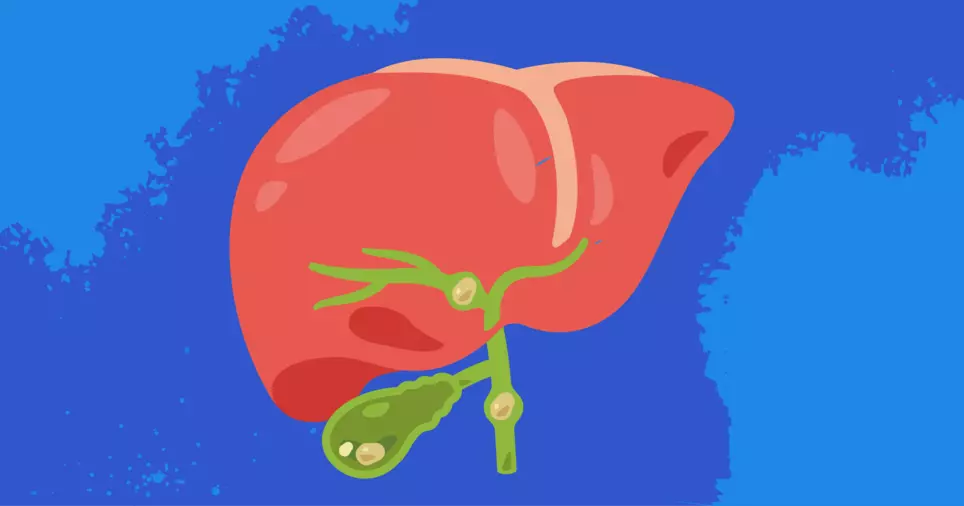
PBC can actually increase the risk of developing gallstones. Here's why: when the bile ducts in the liver become inflamed (which is what PBC does), it can cause blockages and a buildup of bile. Over time, that bile can harden into stones — gallstones. If gallstones develop, they can then lead to a condition called cholecystitis, which is inflammation of the gallbladder. So while PBC affects the liver, its effects can ripple outward.
Some symptoms to watch out for that could suggest gallstones or related complications include:
- Sudden, intense pain in the upper-right area of the abdomen
- Nausea or vomiting
- Fever
- Bloating
- Pain spreading to the right shoulder or back
- Jaundice (yellowing of the skin or eyes)
- Loose or pale stools
These symptoms can overlap with later-stage PBC symptoms, so it's really important to flag anything new or worsening to your doctor so they can figure out exactly what's going on and get you the right treatment.
May 27






 Continue with Facebook
Continue with Email
Continue with Facebook
Continue with Email

 Join
Join




 Your Privacy Choices