
Powered By



Bone broth can be sipped warm from a mug or bowl, and some people use it as an ingredient in other drinks or a base for dishes like soups, stews, or curries. The question is, can it benefit your liver? Some people with primary biliary cholangitis (PBC) wonder whether bone broth can fit into a healthy eating plan.
While there’s no single diet for PBC that doctors recommend, you may still have questions about specific foods and drinks. Find out whether bone broth has any benefits or risks for people with PBC.
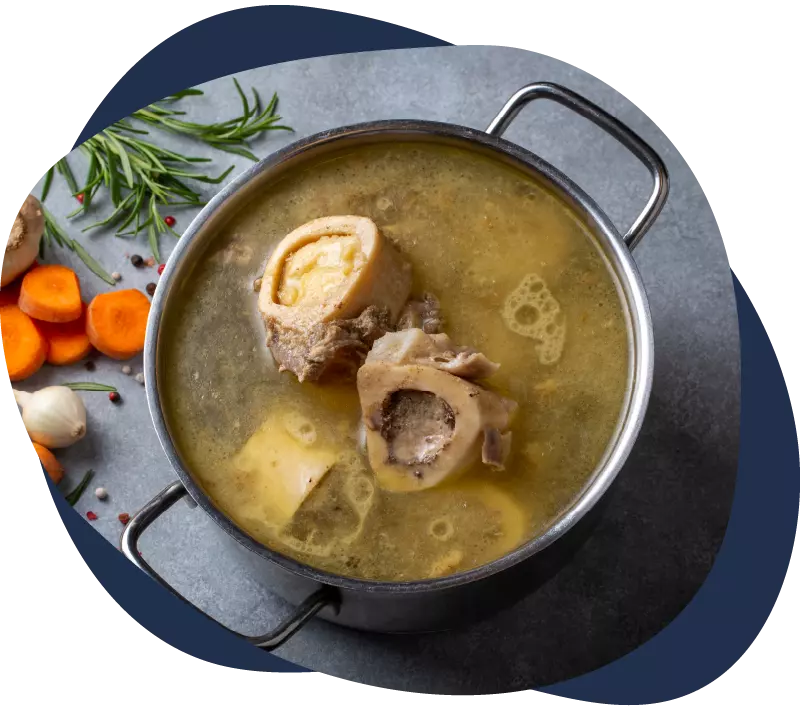
Bone broth has long been used as a base for making soups. More recently, it has gained attention as a protein-rich standalone drink and an ingredient in other foods.
Traditional broth is made by cooking meat and sometimes bones with water, vegetables, herbs, and spices for up to two hours. Meat stock is made with animal bones, sometimes with meat attached, and it usually cooks for four to six hours.
Bone broth differs because it uses roasted bones and may simmer for up to 24 hours. The longer cooking time may extract more nutrients, including protein, from the bones than the shorter cooking times typically used to prepare traditional broth or stock.
Bone broth may contain protein, gelatin, calcium, phosphorus, magnesium, and other nutrients, but the amounts can vary widely depending on how it is made. It also often contains collagen, a protein that includes amino acids such as glycine and arginine.
Those amino acids have been linked to anti-inflammatory effects, but it is unclear whether the amounts found in bone broth provide any benefit.
Claims that bone broth improves gut health or aging are still not well supported. When made with low salt, sipping warm bone broth can help support hydration, which is important for overall health.
Sign up to view the results!
 Continue with Facebook
Continue with Email
Current scientific evidence supporting the use of bone broth for PBC is limited. However, some studies have looked at whether certain nutrients found in bone broth may affect the liver.
 For instance, some laboratory and animal research suggests that glycine may play a role in processes that help protect liver cells from damage. However, researchers have not shown that getting glycine from bone broth protects the liver from alcohol or other toxins in people.
Animal studies also suggest that arginine may help protect the liver from some types of damage and may support liver regrowth after surgery. However, these findings do not show that arginine provides the same benefits in people, including those with PBC.
It’s unclear whether bone broth benefits people with PBC, as more research is needed. If you’re interested in the nutrients that make bone broth appealing, you can also find them in other foods. For instance, fish like salmon contain protein and collagen. People with PBC are often advised to eat lean protein options, and fish may fit the bill.
If you eat or drink bone broth, you may consume a high amount of sodium (salt). People with PBC may be advised to reduce sodium depending on their symptoms and disease stage.
Reducing salt may help prevent some swelling related to PBC symptoms. These strategies may help manage PBC symptoms.
You may be able to make lower-sodium bone broth if you cook it yourself. This can give you more control over how much salt is in the recipe.
If you buy premade bone broth, compare Nutrition Facts labels and choose lower-sodium options when possible. To boost flavor without adding salt, try simmering homemade broth with herbs, spices, or salt-free seasoning blends.
Speak with your liver specialist or another healthcare provider before adding anything new to your diet. They can recommend a healthy eating plan for PBC and may suggest calcium, vitamin D, or fat-soluble vitamin supplements, if needed.
Following your treatment plan and healthy eating guidance may help support liver function and manage complications. If your symptoms get worse or you’re worried about possible PBC flares, ask your healthcare provider what to do next.
Making low-sodium bone broth at home is simple, but it takes time. You can use bones from a single animal or a mix of chicken, pork, beef, or turkey bones. Add vegetables and spices to your liking to boost flavor without adding salt.
You’ll need about 3 to 4 pounds of raw or cooked animal bones. Coat the bones with olive oil and spread them in a single layer on a baking sheet. Roast for 1 hour, turning them over at 30 minutes. Roasting improves the flavor, especially if you’re starting with raw bones.
While the bones are roasting, chop any vegetables you’d like to include, such as carrots (3 medium), onion (2 large), and celery (3 stalks). Combine the roasted bones and chopped vegetables in a large stock pot.
To enhance the flavor, you can add the following:
Add water to the stockpot, making sure the ingredients are fully covered. Bring it to a rapid simmer over high heat. Then reduce heat to low and cover. Simmer for 20 to 24 hours. Check every few hours and add water to keep the level above the ingredients.
After 20 to 24 hours, remove the bone broth from the heat and strain it through a fine-mesh sieve into a large storage container. Your bone broth is ready to be enjoyed warm. If storing, cool it promptly in shallow containers and refrigerate within 2 hours, or freeze for longer storage.
Get updates directly to your inbox.


Do any of you guys know if people that has been giving liver transplant and has been doing well they want to do a transplant on me I'm just
 Continue with Facebook
Continue with Email
Continue with Facebook
Continue with Email
Become a member to get even more





 Join



 Your Privacy Choices

This is a member-feature!
Sign up for free to view article comments.
I was diagnosed with liver cirrhosis and was really worried about my health. I had tried different medications but didn’t see much improvement. Honestly, I was skeptical at first about trying herbal… read more
We'd love to hear from you! Please share your name and email to post and read comments.
You'll also get the latest articles directly to your inbox.