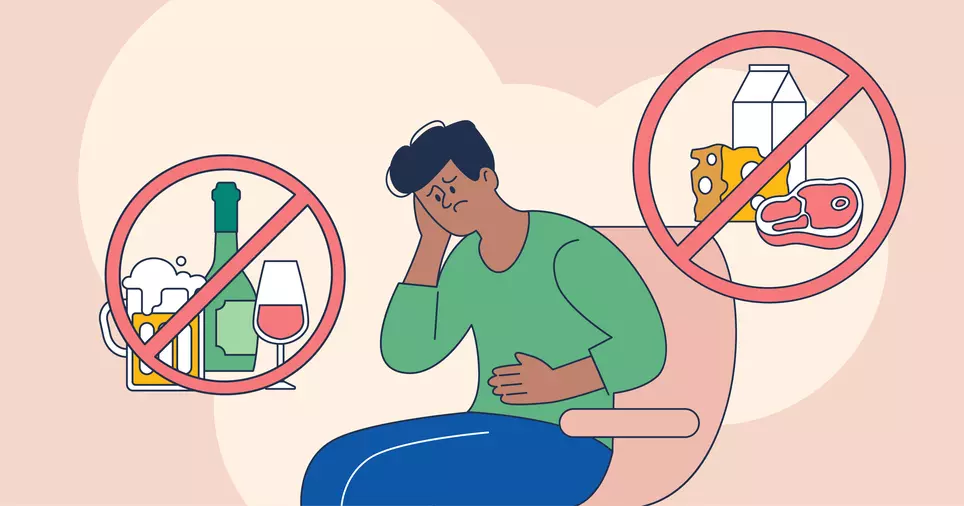
When living with PBC, what you eat can make a real difference in how your liver copes and how you feel day to day. Here's a general overview of foods and drinks to steer clear of:
- Alcohol — The liver has to process every drop, and that extra burden can cause further damage with PBC
- Fried and greasy foods — High in Show Full Answer
When living with PBC, what you eat can make a real difference in how your liver copes and how you feel day to day. Here's a general overview of foods and drinks to steer clear of:
- Alcohol — The liver has to process every drop, and that extra burden can cause further damage with PBC
- Fried and greasy foods — High in unhealthy fats, hard on digestion, and tough on the liver
- Processed foods — Often loaded with sodium, sugar, and unhealthy fats, all of which stress the liver
- Full-fat dairy — Can worsen digestive symptoms like bloating and constipation
- Sugary drinks — Sodas and concentrated sugar sources can lead to fatty deposits building up in the liver
- Raw or undercooked seafood and meats — Bacteria in these foods can be especially dangerous when the liver isn't functioning at full strength
- Unpasteurized milk and beverages — Same risk of harmful bacteria
- Processed meats — Sausage, bacon, deli meats, and hot dogs are high in fat and sodium High sodium intake is worth paying special attention to, as it can contribute to fluid buildup and swelling — something that can become a concern as PBC progresses.
The best approach is to focus on whole, natural foods like fruits, vegetables, lean proteins, whole grains, and healthy fats. A registered dietitian who understands PBC can help tailor a plan that works specifically for you and your stage of the condition. Always check with your healthcare provider before making big dietary changes.
May 22







 Join
Join





 Your Privacy Choices