Connect with others who understand.

  •   Learn from expert-reviewed resources
  •   Real advice from people who’ve been there
  •   People who understand what you’re going through
Sign Up Log In
Powered By
Real members of myPBCteam have posted questions and answers that support our community guidelines, and should not be taken as medical advice. Looking for the latest medically reviewed content by doctors and experts? Visit our resource section.

I have been diagnosed with stage 3 PBC 9 years ago. All labs are within normal range for 8 yrs. On 900 MG of ursodiol per day.
Have also just recently done an ultrasound abdomen complete. All test came back normal. Nothing indicating abnormalities... so why the pain that lasted almost 2 weeks?

October 5 (edited)
 · 
Reactions
myPBCteam

It's great that your labs have been stable for 8 years — that's a real testament to how well you've been managing things! That said, pain under the right ribs and into the shoulder is something many people with PBC experience, and there are a few reasons why it can happen.

Since the liver itself has no nerve endings, the Show Full Answer

It's great that your labs have been stable for 8 years — that's a real testament to how well you've been managing things! That said, pain under the right ribs and into the shoulder is something many people with PBC experience, and there are a few reasons why it can happen.

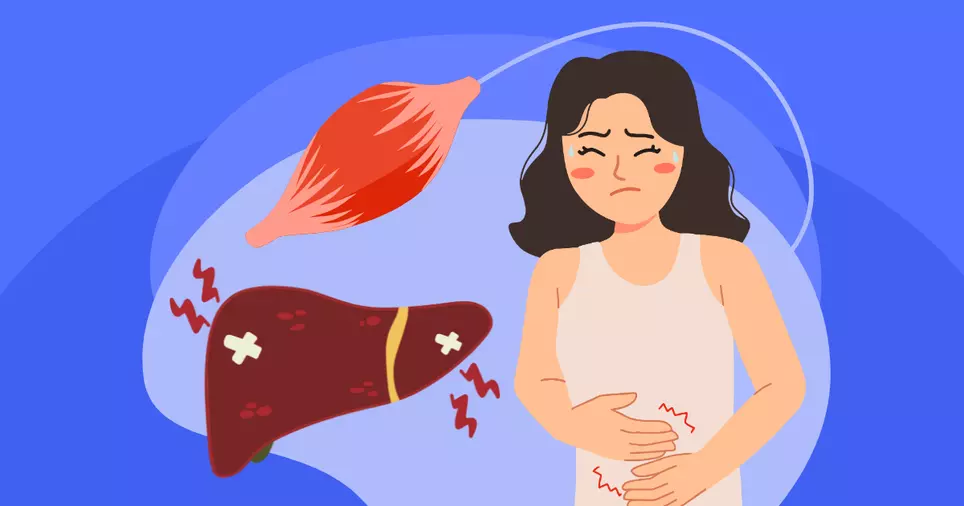
Since the liver itself has no nerve endings, the pain you feel is usually coming from surrounding tissues being affected. Common causes include:

- Liver inflammation — ongoing immune activity can irritate surrounding tissue
- Enlarged spleen (splenomegaly) — can contribute to abdominal discomfort
- Ascites — fluid buildup in the abdomen causing pressure and pain
- Referred pain — pain that starts in one area but is felt somewhere else, like the shoulder or back The shoulder pain you're describing is actually very common with PBC. One myPBCteam member noted experiencing upper-right quadrant pain that also radiated into the back — which sounds very similar to what you're describing.

It's always worth mentioning any new or changing pain to your doctor, even with stable labs, just to rule out any shifts in your condition.

October 5

Related Questions

View All
A myPBCteam Member asked a question 💭
Scotland, AR

Continue with Facebook
Continue with Google
By joining, you accept our Terms of Use, and acknowledge our collection, sharing, and use of your data in accordance with our Health Data and Privacy policies.
Already a member? Log In