
Powered By


For Brenda Remo, attending the 2026 PBCers Patient Education Conference was a chance to learn about managing PBC, hear about emerging treatments, and connect with people who understand life with this rare liver disease.
Brenda was diagnosed with PBC in 2021. Since then, she’s become a passionate advocate for liver health and community support. She serves on the PBCers Organization board, leads the Arizona PBCers support group, and is a member of United Liver.
“Going to a PBCers patient conference is like going to the family reunion you actually can’t wait to attend,” Brenda said.

Here are seven takeaways from Brenda’s conference experience that may help you navigate your own PBC journey.
Sign up to view the results!
 Continue with Facebook
Continue with Email
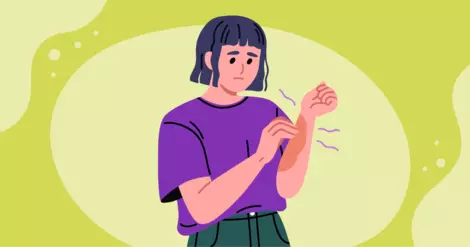
For Brenda, one of the most exciting conference topics was research into treatments for itching, also called pruritus.
“For me, the most impactful information was the focus on new and emerging treatments for PBC-related itching,” she shared.
Itching can be one of the most frustrating symptoms of PBC. Brenda found it encouraging to hear that researchers are continuing to explore ways to provide better relief.
If itching affects your daily life, consider asking your liver specialist about available treatment options and whether any newer approaches might be appropriate for you.
Managing PBC isn’t only about physical symptoms. The emotional challenges of living with a chronic condition deserve attention too.
Brenda said the conference session on mental health was especially meaningful.
“The key message was the importance of seeking support from mental health professionals and remembering that we are never alone,” she explained.
Connecting with a counselor, therapist, or support group may help you work through feelings of worry, frustration, or isolation. For Brenda, the PBCers community provides an important source of understanding and encouragement.
Fatigue can make everyday activities challenging for people with PBC. One practical lesson Brenda brought home was that managing energy isn’t about pushing harder.
“One of the most valuable takeaways was learning to manage fatigue by listening to our bodies rather than pushing through exhaustion,” she said.

Conference speakers encouraged gentle movement, pacing activities, and taking breaks when needed. You might try spreading demanding tasks throughout the day, allowing time for rest, or choosing activities that fit your energy level.
The goal is to stay active in a way that supports your well-being without making exhaustion worse. Talk with your healthcare team if fatigue is interfering with your daily routine.
Another important conference message was the value of speaking up during medical appointments.
Brenda learned that preparing ahead of time can make conversations with healthcare professionals more productive. Speakers and fellow attendees recommended keeping a written list of symptoms, questions, concerns, and changes you’ve noticed.
Before your next appointment, consider writing down what you want to discuss. For example, have your symptoms changed? Are you experiencing treatment side effects? Do you understand your recent test results?
Bringing notes can help you remember important questions and take a more active role in your care.
The conference also emphasized healthy lifestyle habits, including balanced nutrition and regular physical activity.
Brenda said speakers recommended limiting processed foods and added sugars as part of a balanced diet that supports liver health.
Exercise was another important topic. Speakers discussed low-impact strength training and regular movement as ways to help maintain bone health and reduce the risk of bone loss linked to PBC.
You don’t need to change everything at once. Small, sustainable habits may be easier to maintain over time. Ask your healthcare team which types of exercise and dietary changes make sense for your health needs.
Some of Brenda’s most meaningful conference experiences happened outside the educational sessions.
She recalled meeting someone newly diagnosed with PBC. The conversation gave Brenda an opportunity to offer reassurance and introduce them to the support available through the PBCers Organization.
For someone facing a new diagnosis, meeting others who have navigated similar challenges can provide comfort and practical insight. Brenda knows firsthand how valuable those connections can be.
“This community has become my passion,” she said.
Whether through an in-person conference, a local support group, or an online community, connecting with others can remind you that you don’t have to figure everything out alone.
Of all the lessons Brenda could share with someone who’s newly diagnosed, one stands above the rest — find your community.
“A PBC diagnosis can feel overwhelming and scary at first, but you do not have to face it by yourself,” she said.
Support groups can offer shared experiences, practical advice, and encouragement from people who understand the ups and downs of living with PBC.
You may not have all the answers right away, and that’s OK. Finding people who listen and understand can be an important first step.
For Brenda, the 2026 PBCers Patient Conference offered more than information about symptoms, treatments, and healthy habits. It reinforced the importance of connection, self-advocacy, and hope.
If you’re living with PBC, consider discussing new symptoms and treatment questions with your healthcare team. You can also connect with others through the PBCers Organization or the myPBCteam community.
As Brenda reminds others, “There is support available, and there is hope.”
Get updates directly to your inbox.



 Continue with Facebook
Continue with Email
Continue with Facebook
Continue with Email
Become a member to get even more





 Join




 Your Privacy Choices
This is a member-feature!
Sign up for free to view article comments.
We'd love to hear from you! Please share your name and email to post and read comments.
You'll also get the latest articles directly to your inbox.