Connect with others who understand.

  • Learn from expert-reviewed resources
  • Real advice from people who’ve been there
  • People who understand what you’re going through
Sign Up Log In
Powered By
Real members of myPBCteam have posted questions and answers that support our community guidelines, and should not be taken as medical advice. Looking for the latest medically reviewed content by doctors and experts? Visit our resource section.
April 4
 · 
Reactions
A myPBCteam Member

Bile Acid is being released onto your skin. Watch TC Hale on u tube talk about bile flow. I think you may be eating processed foods, bad fats? A strict diet of organic foods, clean eating is important. Mayo, honey, olive oil, peanut butter brands are not all good. Do your research before you let it touch your liver. It may say it is wonderful on the label but it is full of terrible ingredients that our precious liver can’t tolerate and gets stuck in our bile. Stuck thick bile releases bile salt to the skin. Ursodial is a power drug but you have to do your part and research before you eat foods or drinks that cause more harm than good.
Take care of you.
Deb

April 16
A myPBCteam Member

Thank you Sent from my iPhone

May 15
myPBCteam

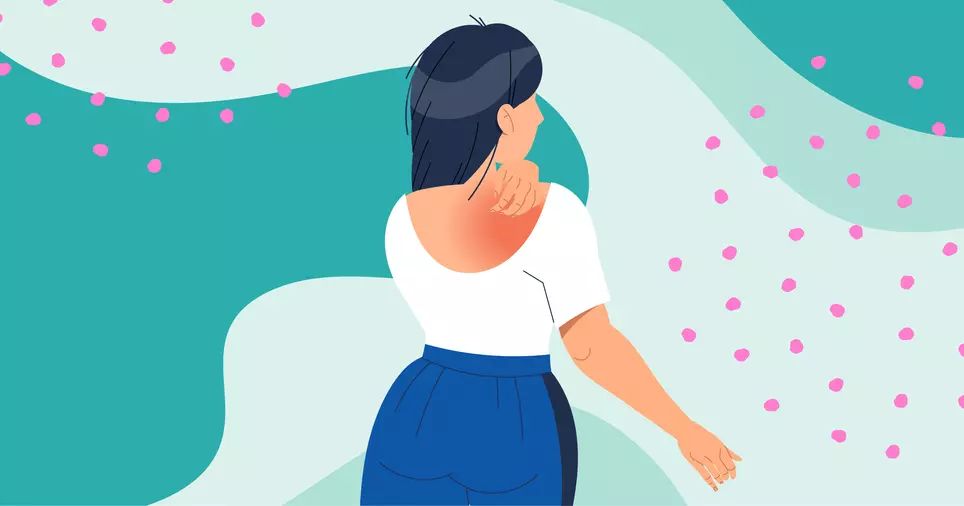
Does returning itching mean PBC has worsened?

Not necessarily. Itching doesn't always mean your PBC is progressing. It's one of the most common symptoms of PBC, affecting about 73-81% of people at some point, and it can come and go for various reasons.

The itching is thought to be related to bile acids building up in your Show Full Answer

Does returning itching mean PBC has worsened?

Not necessarily. Itching doesn't always mean your PBC is progressing. It's one of the most common symptoms of PBC, affecting about 73-81% of people at some point, and it can come and go for various reasons.

The itching is thought to be related to bile acids building up in your bloodstream when damaged bile ducts prevent bile from flowing properly out of your liver. This buildup can happen even when you're on treatment and your liver function is stable.

What you should do:

Talk with your doctor about the return of your itching. They can:
* Check your liver function tests to see if anything has changed
* Review your current medications to ensure they're working effectively
* Discuss treatment options specifically for itching relief

Your liver specialist will monitor your overall liver health at regular visits to check for actual disease progression, which involves more than just itching symptoms.

April 4

Related Questions

View All
A myPBCteam Member asked a question 💭
Maine, NY

Continue with Facebook
Continue with Google
By joining, you accept our Terms of Use, and acknowledge our collection, sharing, and use of your data in accordance with our Health Data and Privacy policies.
Already a member? Log In