Powered By


There is lots of research and evidence of the benefit of art and creative life more broadly to wellbeing but also for those living with illness. How do you find being creative helps you?
I sing - total boost to my wellbeing
I try to write poetry
I work in a contemporary art museum - get daily dose of contemporary art (but it’s a toxic workplace so that’s a bit of hindrance!)
All my spare time is listening to music, reading, watching films.
For me Art and creativity is life!
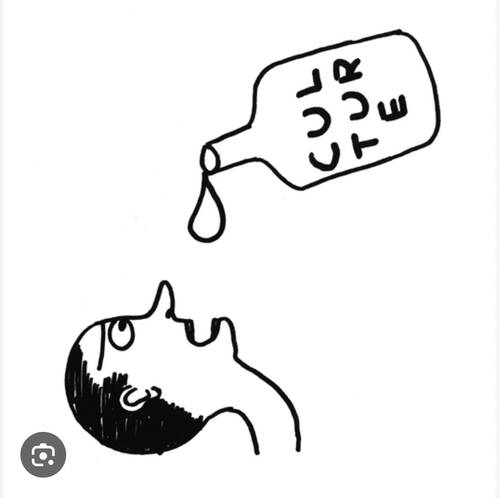
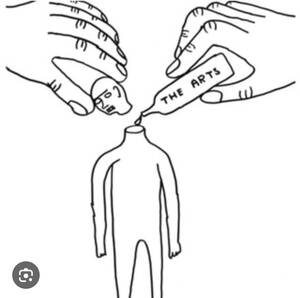
This work by artist… read more


Answer Summary
Members in this PBC community explored how art and creativity support wellbeing, with many sharing personal practices like singing, playing... Read more
PippaCouch, I love all the things you are doing! I ordered the book from Amazon you recommended, PBC The Definitive Guide....I am really enjoying it..it is probably way more than the Dr.s know or share with us. Right now I am jumping around to chapters that apply to me, then I plan to read it front to back...so much good information;
Pippa, I am 82 and live in a retirement community, I am focusing on doing as much as I can, especially being more social. Amazing, that I find there are a lot of ladies much worse off than I am :) gives me a great perspective!
Deep listening is an intentional, full-body practice of present-moment awareness developed by composer Pauline Oliveros, distinguishing casual hearing from active, deep sonic connection. It helps lower stress hormones, regulate emotions, and improve mental wellbeing.
How to Practice Deep Listening
• Prepare the Space: Find a quiet, comfortable, private room. Lie on a supportive surface (like a yoga mat) or sit upright, and turn your phone to Do Not Disturb mode.
• The Single Song Practice:
1. Put on headphones and close your eyes.
2. Pick one song and listen to it from start to finish without multitasking, checking your phone, or planning your day.
• The Instrument Tracking Practice: Play a favorite song three consecutive times:
• First listen: Focus only on the bassline or low frequencies.
• Second listen: Focus only on the lead melody or vocals.
• Third listen: Focus strictly on the percussion or rhythm.
Global vs. Vocal Listening: Practice narrow concentration on a single sound source (vocal/instrument) and then expand your awareness to take in the entire room, background resonance, and your own breathing.
Body Scan & Non-Judgment: Notice where physical vibrations or emotions register in your body as you listen. If your mind wanders to a thought or worry, gently let it pass and bring your attention back to the sound.
Deep Listening and Wellbeing Resources & Frameworks
• The Center for Deep Listening Deep Listening: Offers official historical context, sonic meditations, and foundational scores by Pauline Oliveros.
• Wavepaths The Ultimate Guide to Deep Listening: Provides structured frameworks for immersive, therapeutic sound and listening setups.
• UK Music Music Activities for Wellbeing: Features curated community projects, therapy resources (such as Nordoff Robbins), and listening exercises.
• Emotion-Regulation Playlists: Build three distinct daily playlists (Soothe for low-tempo/calm, Move for physical release, and Lift for courage and gratitude).
I am sure there is a whole lot of other approaches and resources - give it a go!
That’s quite fantastic! I will say, I absolutely believe the advantage because I can feel it in my entire body and mind. I always have. For me it’s playing music. I’ve always called it therapy. Thx for the article!!
L
@A myPBCteam Member love it thanks for sharing 😎
Mind and body as one. Need to go there regularly. Sounds like you have some prior abilities! Keep the peace!
Lew
 Continue with Facebook
Continue with Email

 Join





 Your Privacy Choices