
Powered By


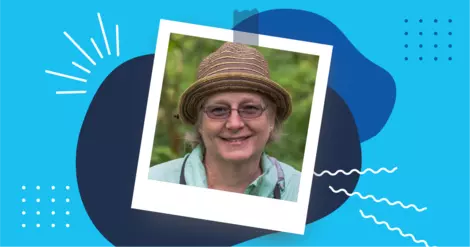
Faith Lemel spent years living with joint, muscle, and bone pain, as well as nausea and fatigue. She had attributed those symptoms to other health issues, everyday aches, and the effects of chronic stress.
After an abdominal MRI and tests that showed consistently elevated alkaline phosphatase (ALP) levels, Faith pushed her primary care provider for a referral to a specialist. A little more than 10 weeks before sharing her story here, she received an official diagnosis of primary biliary cholangitis (PBC).
Even early in her PBC journey, Faith noticed changes in her health and energy levels. She found herself scratching her arms, legs, and right palm, sometimes without realizing she was doing it until her skin began to hurt.
Fatigue, pain, and muscle weakness have also affected what she can do. Tasks that once seemed simple require more energy, and shopping sometimes leaves her needing a nap.

She found herself scratching her arms, legs, and right palm, sometimes without realizing she was doing it until her skin began to hurt.
The emotional effects can be just as difficult. Faith worries that she can’t give enough time and energy to the people closest to her, and she sometimes struggles to find words or remember things without writing them down.
“I sometimes feel that I’m at my resilience limits and could break physically, emotionally, and mentally at any moment,” Faith said.
Faith has experience with finding ways to care for her mental health from living with several mental health conditions. One idea she draws on is what she calls “meeting your meds halfway.” This includes learning to accept help from other people when she needs it.
Faith also practices gratitude. She gives thanks for waking up, nature, the ground beneath her feet, and the people around her.
When her thoughts start to focus on future uncertainties, she reminds herself, “Don’t go into that neighborhood. It’s dangerous for you.” For Faith, that phrase means returning her attention to the present instead of worrying and trying to predict what might happen next.
Each day, she checks in with herself physically and mentally before deciding what she has the energy for. She’s still learning how to distinguish PBC symptoms from her other physical and mental health experiences.
Faith encourages others who are newly diagnosed to learn about PBC, ask questions, talk openly about the condition, and keep going when finding balance becomes difficult.
“And be gentle with yourself. You deserve the same love and care that you give others,” she said.

She also wants others to understand that a person doesn’t have to “look sick” to be dealing with difficult symptoms. Canceled plans aren’t necessarily personal, and questions are welcome because Faith is still learning, too.
Her experience with PBC has reinforced the importance of boundaries and caring for herself alongside the people she loves. As Faith put it, “I am a priority in this world, and boundaries are healthy.”
Get updates directly to your inbox.


 Continue with Facebook
Continue with Email
Continue with Facebook
Continue with Email
Continue with Facebook
Continue with Email
Continue with Facebook
Continue with Email
Become a member to get even more





 Join
Join


 Your Privacy Choices

This is a member-feature!
Sign up for free to view article comments.
We'd love to hear from you! Please share your name and email to post and read comments.
You'll also get the latest articles directly to your inbox.